How to Write a Book That Brings You Clients
Most non-fiction books die on the shelf.
They’re too vague, too dull or too self-absorbed.
A book that really lands is one that has a clear structure, a driving thesis and a rhythm that keeps the reader turning pages.
Dr Benjamin Hardy’s The Science of Scaling is an example worth deconstructing. It’s not ultra-popular but in my experience it’s effective and extremely well written. And when you look at why it works, you uncover a roadmap for writing any non-fiction book that connects and converts readers into loyal fans - and people who may even convert to his coaching services.
And to be clear, this is not a sponsored post.
Anchor with Authority
Hardy opens with a foreword from Tony Robbins. That single choice signals credibility and positions the book inside a much bigger conversation.
Social psychology research shows that people transfer trust from one credible figure or brand to another through association (Kelman, 1961; Cialdini, 2001). When you place your work alongside a respected authority — even through something as simple as a foreword, testimonial, or partnership — you benefit from that halo effect.
This is why brands co-brand, authors seek blurbs and startups align with well-known investors. It makes it easier for your audience to believe in you because someone they already trust has effectively vouched for you.
Most authors won’t have access to a global figure. But the principle still applies. Find someone your readers already respect — a name in your industry, a mentor or even a thoughtful peer. Their words can act as a bridge helping readers lean in before they’ve even begun the first chapter.
The lesson: authority is passed on from person to person. Find someone credible and partner with them to seed your authority in your readers minds.
Start with Story
Every chapter in The Science of Scaling begins with a story.
Each story is chosen with precision to embody the principle that follows. It’s so clever. And makes it so easy to follow.
There’s a reason why the most viewed shows are stories (well, can you count Cocomelon as storytelling?). But as opposed to less narrative rich watching options like nature documentary.
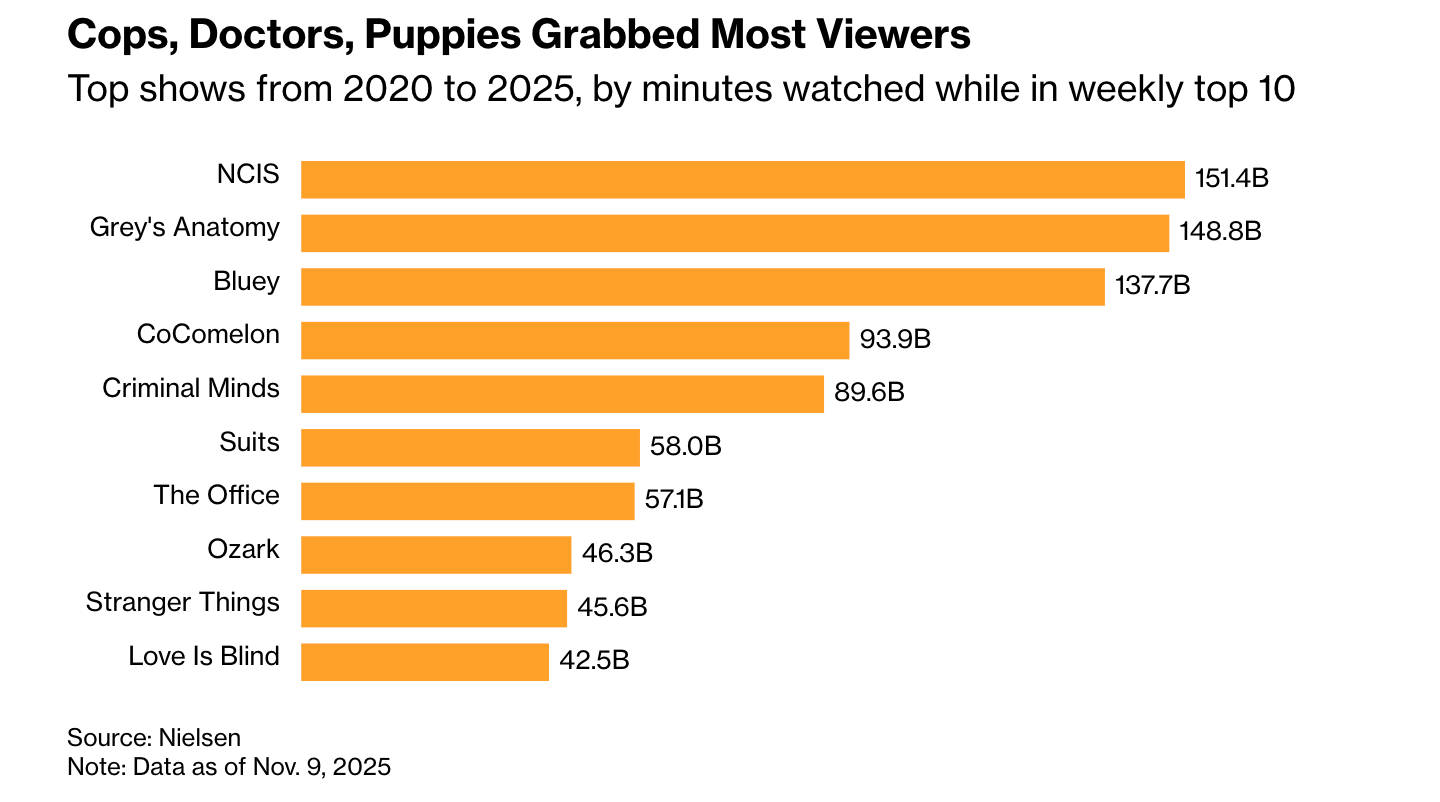
This is how learning sticks. The story lands first, the lesson follows. Instead of telling readers what to believe, Hardy shows them a lived example and only then connects the dots.
Cognitive psychology backs this up: people retain concepts more effectively when they’re woven into narrative rather than presented as abstract information (Green & Brock, 2000).
Deliver a Clear Framework
The heart of the book is its 3F Framework: Frame • Floor • Focus. Three words that capture the whole system.
1. Frame (Change Your Frame): Set a bold vision. Hardy argues that “what you see is based on what you’re aiming for.” Choose an impossible goal, and it becomes the filter that clarifies everything else.
2. Floor (Raise Your Floor): Lift your standards. Eliminate what doesn’t serve your vision. Stop tolerating mediocrity — in habits, in behaviour, in systems. By raising your floor, you transform your baseline.
3. Focus (Accelerate Your Focus): Clarity emerges when the frame and floor are set. You’re able to zero in on the highest-leverage actions, cut what doesn’t matter and simplify your path to scale. Growth comes not from doing more, but from doing less, better.
Research in cognitive psychology shows that working memory can only hold about 3–5 items at a time (Cowan, 2010). That’s why simple, well-structured frameworks stick. Hardy’s 3F model works because it compresses complex ideas into a shape the brain can actually grasp and recall. Clear concepts don’t just make sense in the moment, they stay memorable long after the book is closed.
The genius of the framework is its simplicity. Readers don’t walk away overwhelmed — they walk away with a clear, repeatable model they can use.
Why This Book Creates Change and Sells
The Science of Scaling works because it embodies its own principles.
It anchors itself in credibility, leads with story and delivers a framework simple enough for the brain to hold and remember.
That’s the mark of a non-fiction book that converts.
Anchor with authority.
Lead with story.
Deliver a framework simple enough to repeat.
Do that and your book won’t just be read. It will create real change. That change builds trust—and trust is what brings you clients.
